

🐇 Himalayan Rabbits are calm, friendly, and great beginner pets — but they require daily care and attention and are not low-maintenance animals.
The Himalayan Rabbit is one of the calmest and most elegant rabbit breeds in the world.
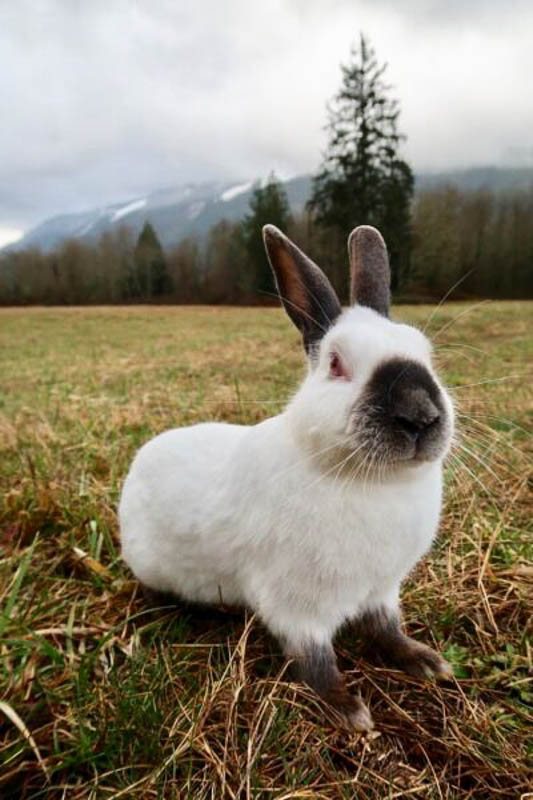
With its pure white body and dark markings on the ears, nose, paws, and tail, this unique bunny almost looks like a tiny Siamese rabbit.
But is the Himalayan Rabbit a good pet for beginners?
In this guide, you’ll learn its size, lifespan, personality, diet, grooming needs, and the pros and cons of owning one.
What Is a Himalayan Rabbit?
The Himalayan Rabbit is a medium-sized domestic rabbit breed best known for its elegant appearance and gentle temperament. Its pure white body contrasts beautifully with darker color points on the ears, nose, paws, and tail.
Originally bred for show purposes, this breed quickly gained popularity as a companion animal due to its calm personality and manageable size.
How Big Do Himalayan Rabbits Get?
Himalayan rabbits are considered small to medium in size.
- Weight: 3.5–4.5 pounds (1.6–2 kg)
- Body type: Slender and cylindrical
- Length: Around 10–14 inches (25–35 cm)
Their lightweight build makes them easy to handle, which is one reason they’re popular with first-time owners. Despite their small size, their elegant posture and balanced proportions give them a graceful appearance.
Himalayan Rabbit Personality and Temperament
When it comes to temperament, the Himalayan Rabbit is one of the calmest and friendliest breeds you can find. These rabbits are known for being gentle, affectionate, and easygoing.
They enjoy human interaction and often form strong bonds with their owners. Because they are not overly skittish, they’re a great choice for families, seniors, or first-time rabbit owners.
- Friendly: Enjoy human companionship
- Calm: Handles stress better than many other breeds
- Affectionate: Often enjoys gentle handling and cuddling

Is a Himalayan Rabbit a Good Pet?
Yes — Himalayan rabbits make excellent pets, especially for beginners. Their calm nature, manageable size, and friendly personality make them easy to care for and enjoyable to handle. They adapt well to indoor living and do best in quiet, loving environments.
If you’re looking for a low-drama, gentle rabbit breed that thrives on companionship, the Himalayan Rabbit is a fantastic choice.
Pros and Cons of Owning a Himalayan Rabbit
✅ Pros
- Calm and beginner-friendly
- Quiet indoor pet
- Beautiful unique appearance
- Strong bond with owners
❌ Cons
- Needs regular cleaning and grooming
- Can become lonely without attention
- Sensitive to heat and stress
- Requires proper diet and space
While Himalayan rabbits are considered beginner-friendly, they still require daily attention and proper care. Many first-time owners underestimate how social rabbits can be, and a lonely rabbit may become stressed or withdrawn over time.
Where Did the Himalayan Rabbit Come From?
The Himalayan rabbit’s history dates back to the early 1900s. The breed was developed in England through selective breeding and gained recognition for its unique appearance and calm temperament. It was later introduced to the United States, where it became popular in rabbit shows and exhibitions.
Over time, the breed transitioned from show halls into homes, becoming a beloved companion animal.
Himalayan Rabbit Care Guide
Caring for a Himalayan Rabbit is relatively simple, but like all pets, they need proper attention to stay healthy and happy.
Diet
A healthy diet is essential. Himalayan rabbits should eat:
- Unlimited high-quality hay
- Fresh leafy vegetables
- A small portion of pellets
- Fresh water at all times
Grooming
Their coat is dense and soft, requiring regular brushing to prevent shedding buildup. During molting seasons, grooming should be more frequent.
Living Space
Himalayan rabbits do best indoors in a clean, quiet, and safe environment. Provide enough room to move freely and always bunny-proof their living area.
Exercise and Activity
Daily exercise is important. Allow them time to hop around, explore, and play to maintain both physical and mental health.

Himalayan Rabbit Lifespan
With proper care, Himalayan rabbits typically live between 5 and 10 years. A healthy diet, clean environment, regular exercise, and veterinary care can help them live a long and comfortable life.
Fun Facts About Himalayan Rabbits
- Temperature-Sensitive Coloring: Their dark points appear on cooler parts of the body due to a special gene
- Popular Show Rabbits: Their elegant appearance makes them favorites in exhibitions
- Long-Term Companions: With good care, they stay with you for many years
🐇 Frequently Asked Questions About Himalayan Rabbits
Are Himalayan rabbits really as calm as people say?
Yes — but only if they’re raised in a calm environment. If stressed, they can become shy or defensive like any rabbit breed.
Do Himalayan rabbits actually like being cuddled?
Some do, but not all. They tolerate gentle handling better than most rabbits, but they still need time to build trust.
Why do Himalayan rabbits change color over time?
Their dark points develop based on temperature-sensitive genes — cooler body parts become darker over time.
Are Himalayan rabbits easier to care for than dogs or cats?
They are lower maintenance in terms of space, but still require daily care, diet control, and attention — they are not “easy pets”.
What’s the biggest mistake new owners make?
Many people underestimate their need for social interaction and proper diet. They are calm, but not “low-effort” pets.
Final Thoughts
The Himalayan Rabbit is a stunning breed with a gentle personality to match. Whether you’re drawn to their elegant appearance or their calm and affectionate nature, they make wonderful pets for the right home. With proper care and attention, a Himalayan rabbit can be a loving companion for many years.

🌟 Join the Adventure! 🌟
Love Himalayan rabbits? Follow Anmlzone on Facebook for adorable photos, fun facts, and animal discoveries from around the world 🐰🌍
Updated on February 7, 2026
Animal Journey
Follow this path to keep exploring related animals and comparisons.


